Restore storm-damaged roofing and exteriors with proven storm restoration in the DFW Metro Area and dependable workmanship.
Professional storm restoration services for homes across the Dallas-Fort Worth Metro Area. After a storm moves through North Texas, the damage you cannot see often becomes the most expensive. A roof may look fine from the driveway, but hail, wind, and flying debris can still weaken the system.
Ashley Roofing and Contracting, LLC provides storm restoration throughout the DFW Metro Area. We help homeowners restore roofs, siding, gutters, flashing, vents, and other exterior areas after severe weather.
Since 2011, our team has helped property owners recover from storm damage with honest inspections, clear documentation, and dependable repair work.
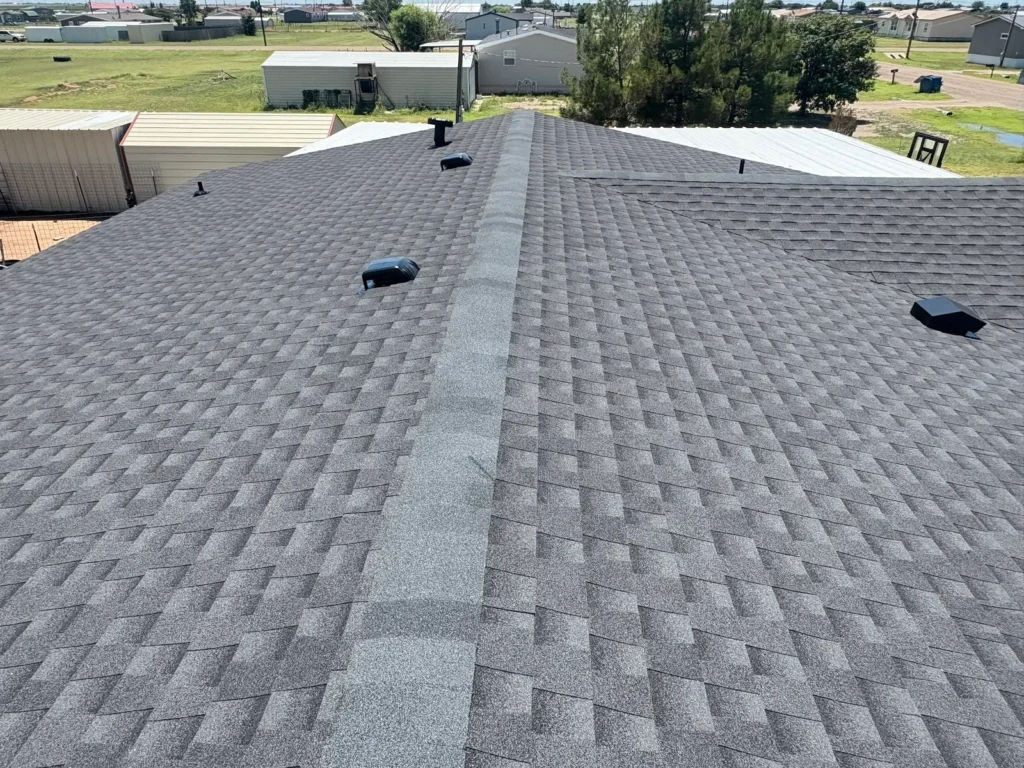
Storm damage repair should start with a careful inspection. Hail and wind do not always leave obvious signs from the ground. Sometimes the first warning is a ceiling stain days or weeks later. Our team checks the full roofing system after a storm. We look at shingles, metal roofing, clay tile, stone-coated steel, flashing, valleys, vents, gutters, and siding. You get clear answers before moving forward. If your roof only needs minor repair, we will tell you. If the damage is more serious, we will explain the next step.
Storm restoration is more than fixing a few shingles. Severe weather can affect many parts of your home’s exterior. Our storm restoration work may include roof repair, emergency tarping, leak control, hail damage repair, wind damage repair, gutter repair, siding repair, flashing repair, and full exterior damage documentation. We also check for related damage around vents, screens, roof edges, valleys, pipe boots, trim, and downspouts. These areas are often where water problems begin.
Hail can bruise shingles, dent vents, crack tiles, and damage soft metals. Wind can lift shingles, loosen flashing, and pull roofing materials away from weak areas.
Some hail damage is easy to miss. A shingle may look normal but still have bruising under the surface. Over time, that damage can reduce the roof’s ability to protect your home.
Our storm inspection focuses on evidence. We inspect the roof closely, take photos, and explain what the damage means in simple words.
When a storm causes active leaking, fast action matters, water entering the home can damage ceilings, insulation, flooring, and walls.
Ashley Roofing and Contracting, LLC provides emergency roofing response when possible. We can help with temporary protection, including emergency tarping and leak control, until permanent repairs can be completed.
The goal is simple. Stop water from getting worse, protect the home, and create a clear plan for restoration.
Some storm damage signs should not be ignored. Granules in the gutters, missing shingles, lifted shingles, dented vents, loose gutters, and water stains can all point to roof damage.
You should also pay attention if neighbors are getting roof inspections or replacements. Storms often affect several homes in the same area.
Do not climb the roof yourself after a storm. The surface may be slippery, weak, or unsafe. Check from the ground, then call a professional roofing contractor.
DFW homes face many storm-related problems. In tree-lined neighborhoods, fallen limbs and organic debris often collect in roof valleys. In open areas, wind uplift can damage roof edges, rakes, and ridge areas.
Homes with steep rooflines, dormers, and multiple valleys need careful inspection. These areas often create leak risks after heavy rain and wind.
Flower Mound, Argyle, Coppell, Highland Village, Grapevine, Southlake, Denton, Lewisville, and nearby communities all experience hail and wind damage. Local experience helps us know what to look for.
A strong storm can damage more than the roof. Hail can dent gutters, crack siding, damage screens, mark trim, and affect other exterior surfaces. That is why we look at the full exterior when needed. Roof damage and siding damage often happen during the same weather event. Ashley Roofing and Contracting, LLC can help with roofing, siding, gutters, and related exterior repairs. This gives homeowners one clear restoration plan instead of separate guesses from different contractors.
Yes, we help customers with insurance claims. Storm damage can be stressful, especially when you are not sure what your policy may cover. Our team can inspect the damage, take photos, prepare repair information, and provide a written scope. We can also help coordinate with the insurance adjuster’s inspection when needed. We do not make false promises about coverage. We focus on clear documentation, honest guidance, and professional support throughout the process.
Our approach is simple: repair first when repair makes sense. Maintain when the roof still has life. Replace only when the damage or condition truly calls for it. Not every storm-damaged roof needs full replacement. Some roofs only need targeted repairs. Others may have widespread damage that makes replacement the better long-term choice. We explain the difference clearly. You deserve honest answers before making a decision.
The process starts with your call or message. We schedule an inspection and review the storm damage carefully. After the inspection, we explain what we found. You receive photos, repair recommendations, and a clear scope of work when needed. Once approved, we schedule the restoration work. Our team protects your property, completes the repair or restoration, cleans the work area, and reviews the finished project with you.
Different roofing systems respond to storms in different ways. Asphalt shingles may show bruising, granule loss, lifting, or missing tabs. Metal roofs may show dents, seam issues, or loose fasteners.
Clay tile roofs may crack or shift after impact. Stone Coated Steel roofing may need a trained inspection to check impact areas, loose sections, or flashing concerns. Our team works with shingles, metal roofing, clay tile, and Stone Coated Steel roofing systems. We inspect each material based on how it performs after Texas storms.
After a major storm, many out-of-area contractors may appear quickly. Some leave just as fast. Hiring a local DFW roofing contractor matters. You need a company that can return for follow-up visits, answer questions, and stand behind the work after the storm rush is over. Ashley Roofing and Contracting, LLC has served homeowners since 2011. We understand North Texas homes, weather patterns, roofing materials, and customer expectations.
Storm restoration may include more than roofing. Gutters, siding, screens, windows, trim, and drainage areas can also need attention. If water entered the home, interior stains or drywall damage may also need review. A complete inspection helps you understand the full picture. Our goal is to help restore your home safely and properly. We want you to know what is damaged, what is fine, and what needs action now.
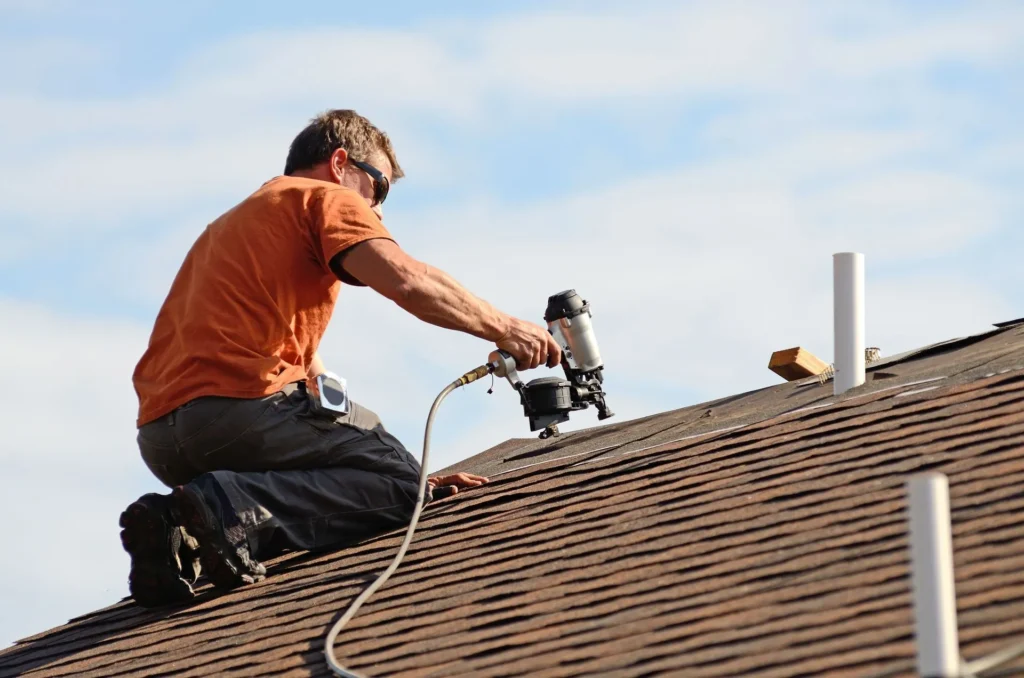
Storm damage can get worse when left alone. If hail, wind, or heavy rain recently hit your area, schedule an inspection before small problems become expensive. Ashley Roofing and Contracting, LLC provides storm restoration across the DFW Metro Area, including Flower Mound, Argyle, Coppell, Highland Village, Grapevine, Southlake, Denton, Lewisville, and nearby communities.
Call or text (972) 877-6700 today to request your storm damage inspection.
Storm restoration is the process of inspecting, repairing, and restoring roof and exterior damage caused by hail, wind, rain, fallen limbs, or flying debris.
Common signs include missing shingles, lifted shingles, granules in gutters, dented vents, loose gutters, water stains, and damaged siding. Some damage may require a professional inspection.
Yes. If your roof has active water entry, we can help with emergency tarping and temporary leak control when possible.
Yes. We inspect storm damage, take photos, prepare repair information, and help homeowners understand the insurance claim process.
Yes. Hail and wind can damage siding, gutters, downspouts, trim, screens, and other exterior areas.
Call Ashley Roofing and Contracting, LLC at (972) 877-6700 for storm restoration in the Dallas-Fort Worth Metro Area.